Shooting Film Again: A Beginner's Guide to Vintage 35mm Cameras
Film photography is back. Here's how to choose a classic 35mm camera, what to check before buying, which film to start with and where to get it developed.
In this article
Film photography has made a remarkable comeback. Some photographers grew up with it and miss the ritual. Others are discovering it for the first time and love the slower pace and distinctive look. Whatever draws you in, here's how to get started.
Why shoot film?
With only 24 or 36 exposures per roll and no screen to check, film makes you slow down and think about each frame. Many people love the colors, grain and anticipation of waiting for prints, and the fact that the photos exist as physical negatives.
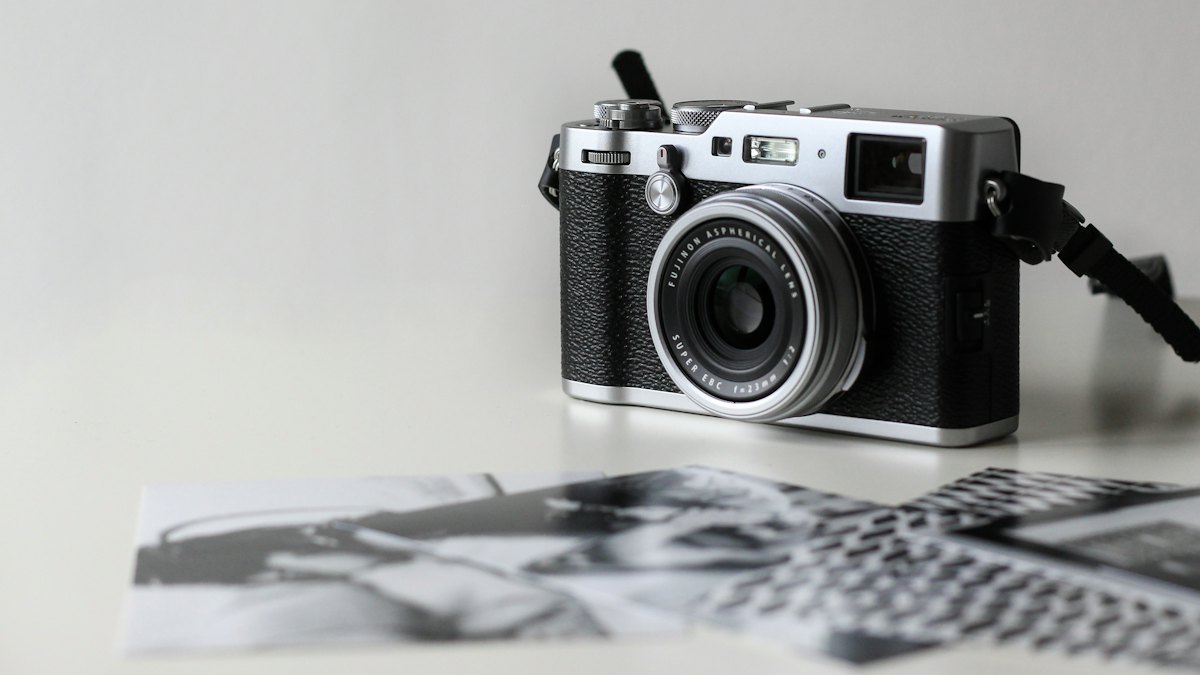
Classic 35mm cameras for beginners
- Pentax K1000: a famously simple, durable, fully manual SLR long used in photography classes.
- Canon AE-1 / AE-1 Program: hugely popular SLRs with automatic exposure options that make learning easier.
- Nikon FM / FM2: rugged, mechanical SLRs compatible with many Nikon lenses.
- Olympus OM-1 / OM-10: compact, lightweight SLRs with excellent lenses.
- Point-and-shoot compacts: easy and pocketable, though popular models have become pricey.
A 50mm "standard" lens is the classic starting point. It's sharp, affordable and close to how the eye sees.
What to check before buying a used camera
- Shutter: fire it at several speeds. Slow speeds should sound noticeably longer.
- Light seals: foam seals around the back door often deteriorate and can let light leak onto film. They're inexpensive to replace.
- Light meter: install a fresh battery and check that the meter responds to changes in light.
- Lens: shine a flashlight through it to look for haze, fungus or heavy scratches.
- Seller reputation: buying from a camera shop or seller that tests equipment and offers returns reduces risk.
Choosing film
Film speed (ISO) describes sensitivity to light. ISO 200 or 400 color negative film is a forgiving choice for beginners and handles a range of conditions. ISO 400 black-and-white film is great for learning about light and contrast. Color negative film also tolerates exposure mistakes better than slide film.
Getting film developed
Many local camera shops and mail-in labs develop film and scan negatives to digital files you can share. Some photographers eventually learn to develop black-and-white film at home, which is easier than you might think.
Budget for the ongoing cost
Film and developing cost money with every roll, so each shot counts. Many film shooters see that as part of the appeal, since it makes every frame more deliberate.