Best Flowers for Your Backyard: 15 Flowers That Attract Hummingbirds and Butterflies
Fill your backyard with color and wildlife. The best flowers for attracting hummingbirds, bees and butterflies, with sun, bloom time and growing tips.
In this article
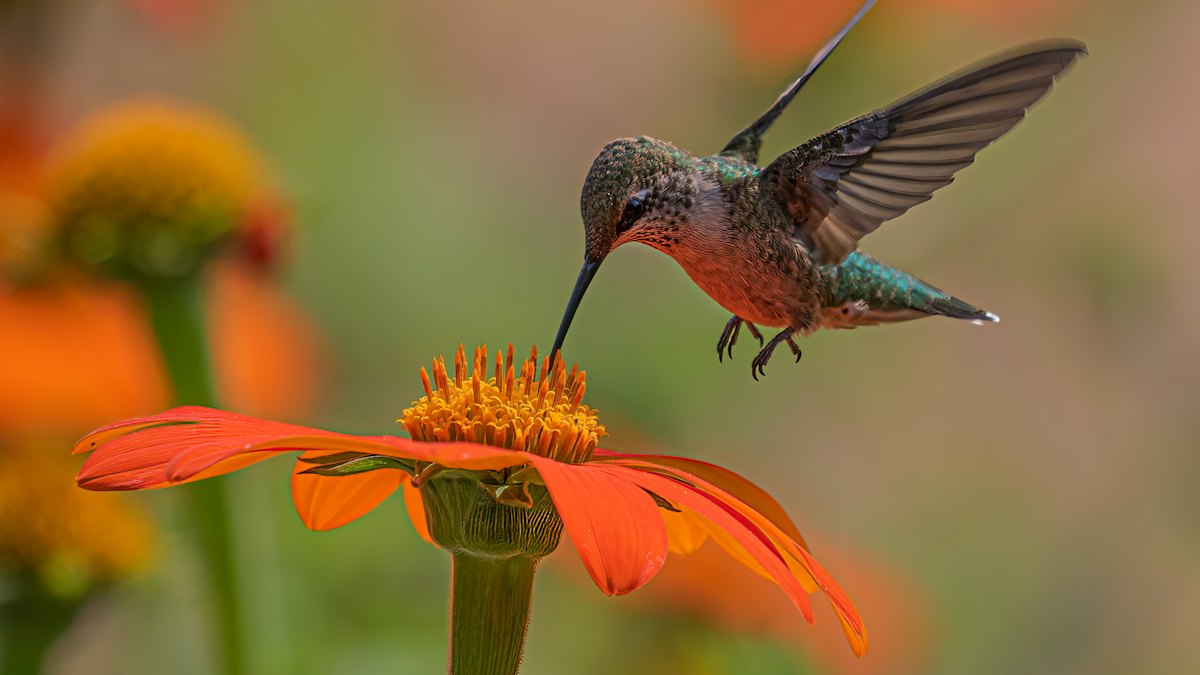
The right flowers turn a backyard into a living show of hummingbirds, butterflies and bees. Hummingbirds are especially drawn to tubular flowers in red, orange and pink, which hold plenty of nectar. Here are 15 of the best flowers for your backyard, many of them native to North America.
Perennials (come back every year)
- Bee balm (Monarda): shaggy red, pink or purple blooms that hummingbirds and bees adore. Spreads readily. Full sun.
- Cardinal flower (Lobelia cardinalis): brilliant red spikes. A native favorite for moist soil.
- Coral honeysuckle (Lonicera sempervirens): a native, non-invasive vine with red tubular flowers. Choose it instead of invasive Japanese honeysuckle.
- Salvia: many varieties bloom for months. Red-flowered types are a hummingbird magnet.
- Penstemon (beardtongue): tubular flowers in many colors. Many species are native and drought-tolerant.
- Columbine (Aquilegia): an early bloomer, valuable for spring migrants. The native eastern red columbine is ideal.
- Coneflower (Echinacea): a tough native loved by butterflies and bees. Leave the seed heads in fall for goldfinches.
- Black-eyed Susan (Rudbeckia): cheerful, drought-tolerant and long-blooming.
- Butterfly weed (Asclepias tuberosa): bright orange milkweed that hosts monarch caterpillars.
Annuals (bloom all season)
- Zinnias: easy from seed, bloom until frost, and butterflies love them.
- Petunias: classic for baskets and borders.
- Fuchsia: dangling blooms perfect for shady hanging baskets.
- Cosmos: airy, carefree and great for cutting.
- Lantana: heat-loving and drought-tolerant. Be aware that it's toxic to pets and can be invasive in warm climates.
- Nasturtiums: bright and easy, with edible flowers and leaves.
Tips for a hummingbird and pollinator garden
- Plant for continuous bloom from spring through fall so there's always nectar available.
- Plant in groups of three or more of the same flower so pollinators can find them easily.
- Choose native plants when possible. They support local insects and birds best. Your extension office or a native plant society can recommend species for your region.
- Skip pesticides. Hummingbirds also eat small insects, and pesticides harm pollinators.
- Add water and perches. Hummingbirds love a fine mist or shallow fountain.
- Add a feeder to supplement flowers. Use our hummingbird food recipe.
Check the ASPCA's plant database if you have pets, since some garden flowers are toxic to dogs and cats.