Fall and Winter Houseplant Care: 9 Adjustments to Make Now
Shorter days, dry indoor heat and cold drafts are hard on houseplants. Here's how to adjust light, watering, humidity and feeding to get them through winter.
In this article
As the days get shorter and the heat comes on, many houseplants slow down. They grow less, use less water and become more vulnerable to overwatering, pests and dry air. A few simple adjustments in fall can keep your indoor jungle healthy until spring.
1. Move plants closer to the light
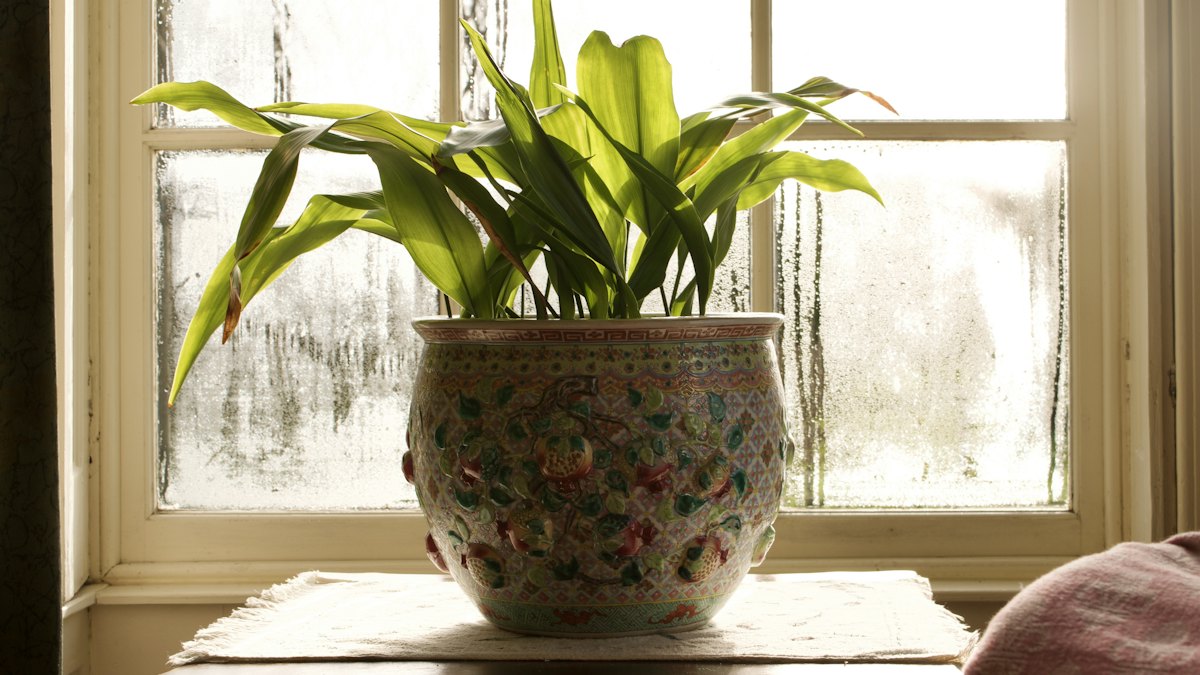
Winter sun is lower and weaker, and the days are shorter. Move light-loving plants closer to the brightest windows. South- and west-facing windows are usually the best in the U.S. Just keep leaves from touching cold glass.
2. Clean leaves and windows
Dust on leaves blocks light a plant can't afford to lose in winter. Wipe large leaves gently with a damp cloth, and clean your windows. It makes a surprising difference.
3. Consider a grow light
If your home is dim, an inexpensive full-spectrum LED grow light can make up for short days. Many indoor growers run grow lights about 12 to 14 hours a day on a timer. Follow the manufacturer's recommended distance from the foliage.
4. Water less often
This is the most important change. With less light and slower growth, soil stays wet longer, and soggy roots in cool soil lead to root rot. Always check the soil before watering rather than sticking to a summer schedule. Many plants can go noticeably longer between waterings in winter. Use room-temperature water.
5. Pause or reduce fertilizer
Most houseplants are semi-dormant in winter and don't need much feeding. Excess fertilizer can build up as salts in the soil and burn roots. Many growers stop fertilizing from late fall until new growth appears in spring.
6. Boost humidity
Indoor heating dries the air, which can cause crispy brown leaf tips on tropical plants like calatheas, ferns and palms. To help:
- Run a humidifier near your plants. It's the most effective option.
- Group plants together so they share humidity.
- Use a pebble tray: set pots on a tray of pebbles and water, with the pot sitting above the waterline.
Misting feels helpful, but it raises humidity for only a few minutes.
7. Avoid drafts and heat vents
Most common houseplants are tropical and prefer temperatures between roughly 60°F and 80°F. Keep them away from drafty doors, single-pane windows at night, heating vents, radiators and fireplaces. Sudden temperature swings can cause leaf drop.
8. Watch for pests
Dry indoor air is ideal for spider mites, and fungus gnats thrive in soil that stays wet. Inspect leaves (including the undersides) regularly. Treat early outbreaks by wiping leaves, rinsing plants in the shower, or using insecticidal soap according to the label.
9. Bring outdoor plants in carefully
If you summered plants outdoors, bring them in before nighttime temperatures regularly drop below about 50°F. Inspect them closely and consider keeping them apart from other plants for a couple of weeks so they don't bring pests indoors.
Don't panic about a few yellow leaves
Some leaf drop is normal as plants adjust to lower indoor light. Focus on the big picture: steady temperatures, the right amount of water and as much light as you can give. Your plants will push out fresh growth when spring returns.