12 Pet-Safe Houseplants for Homes With Cats and Dogs
Want plants and pets? These popular houseplants are listed as non-toxic to cats and dogs by the ASPCA, plus the common plants you should keep away from pets.
In this article
Many of the most popular houseplants are toxic to cats and dogs. That doesn't mean pet owners have to give up on greenery. Plenty of beautiful, easy-care plants are listed as non-toxic to cats and dogs by the ASPCA. Here are some of the best options, and the plants to keep out of reach.
Pet-safe houseplants
- Spider plant (Chlorophytum comosum): nearly indestructible, great in hanging baskets and easy to propagate from its "babies." Cats love to bat at it, so hang it high to protect the plant.
- Boston fern (Nephrolepis exaltata): lush and feathery. It likes humidity and evenly moist soil.
- Calathea and prayer plant (Maranta): stunning patterned leaves that fold up at night. They prefer filtered light and humidity.
- Parlor palm (Chamaedorea elegans): a classic, low-light-tolerant palm.
- Areca palm (Dypsis lutescens): a larger, airy palm for bright rooms.
- Cast iron plant (Aspidistra elatior): tolerates low light and neglect.
- Peperomia: compact plants with thick, varied leaves, ideal for shelves and desks.
- African violet (Saintpaulia): blooms indoors year-round with bright, indirect light.
- Haworthia: a small, striped succulent, and a safer alternative to aloe.
- Ponytail palm (Beaucarnea recurvata): a quirky, drought-tolerant succulent.
- Christmas cactus (Schlumbergera): a festive holiday bloomer.
- Bamboo palm (Chamaedorea seifrizii): tall and graceful for a bright corner.
"Non-toxic" doesn't mean edible
Even pet-safe plants can cause mild stomach upset, such as vomiting or diarrhea, if a pet eats a lot of leaves. Fertilizers and pesticides on plants can be harmful, too. If your pet loves to chew greenery, consider offering cat grass and keeping plants out of reach.
Common houseplants to keep away from pets
- Lilies (Lilium and daylilies, Hemerocallis): extremely dangerous to cats. Even small exposures, including pollen or water from the vase, can cause kidney failure. Many vets advise not keeping them in homes with cats at all.
- Sago palm: highly toxic to dogs and cats and can cause liver failure. The seeds are especially dangerous.
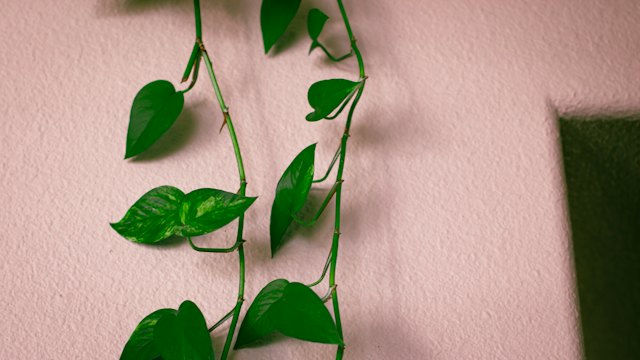
- Pothos, philodendron, dieffenbachia and peace lily: contain insoluble calcium oxalate crystals that irritate the mouth and cause drooling and vomiting.
- Snake plant, ZZ plant and jade plant: can cause GI upset.
- Aloe vera: can cause vomiting and diarrhea in pets.
If your pet eats a toxic plant
Contact your veterinarian immediately, or call the ASPCA Animal Poison Control Center at (888) 426-4435 or the Pet Poison Helpline at (855) 764-7661. Fees may apply. Have the plant's name or a photo ready. For any plant not listed here, check the ASPCA's online toxic and non-toxic plant database before bringing it home.