How to Water Houseplants the Right Way (and Stop Overwatering)
Overwatering kills more houseplants than anything else. Learn the finger test, how to read the signs of too much or too little water, and when to bottom-water.
In this article
If you've ever lost a houseplant, there's a good chance it was loved to death with too much water. Overwatering is the most common cause of houseplant failure. Roots need oxygen as well as water, and soil that stays soggy suffocates them and invites root rot. The good news: once you learn to water based on what the plant needs, not the calendar, most plants become much easier to keep alive.
Rule #1: Use pots with drainage holes
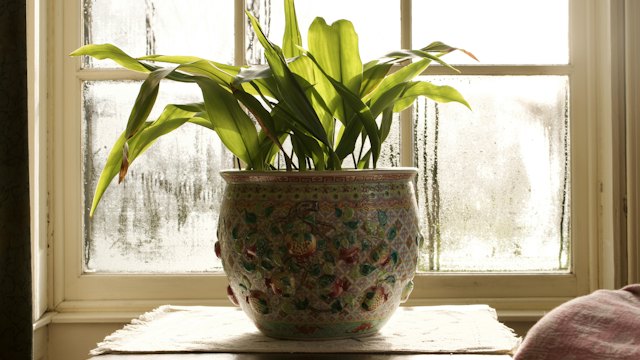
Without a drainage hole, excess water pools at the bottom of the pot, where you can't see it. If you love a decorative pot without a hole, use it as a cachepot: keep the plant in a plastic nursery pot with drainage inside it, and empty any water that collects.
Rule #2: Check the soil, not the calendar
How quickly soil dries depends on light, temperature, humidity, pot size and season. A fixed "every Sunday" schedule ignores all of that. Instead:
- The finger test: push a finger into the soil. For most tropical foliage plants, water when the top 1 to 2 inches are dry.
- Lift the pot: dry soil is noticeably lighter than wet soil. With practice, you'll know by feel.
- Use a wooden chopstick or moisture meter for large pots where the bottom may stay wet.
Succulents and cacti are the exception. Let their soil dry out completely between waterings.
Rule #3: Water thoroughly, then drain
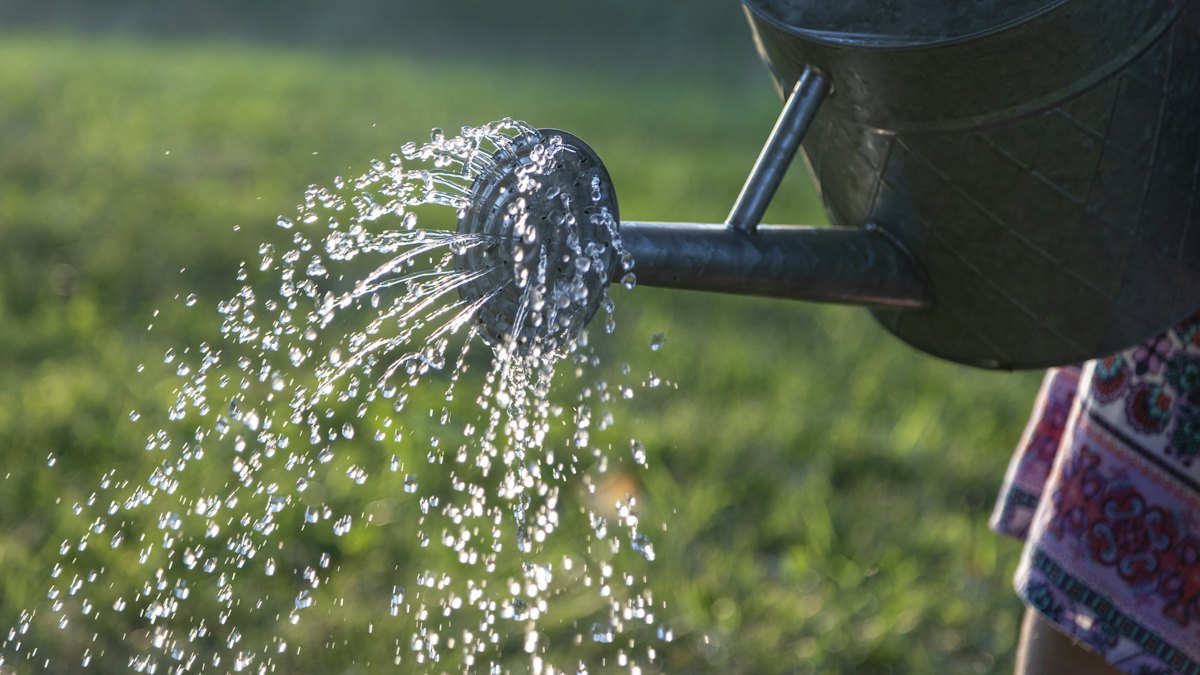
When it's time to water, water slowly until it flows out of the drainage hole. This makes sure the whole root ball is moistened and helps flush out fertilizer salts. Then empty the saucer after 15 to 30 minutes so the plant isn't sitting in water.
Signs of overwatering vs. underwatering
Too much water:
- Yellowing lower leaves
- Soft, mushy stems or a sour smell from the soil
- Wilting even though the soil is wet, because damaged roots can't take up water
- Fungus gnats flying around the pot
Too little water:
- Crispy, brown leaf edges
- Drooping that perks up quickly after watering
- Soil pulling away from the sides of the pot
When to bottom-water
Bottom watering means setting the pot in a tray or sink of water for 15 to 30 minutes so the soil soaks up moisture from below. It's useful for plants with fuzzy leaves that don't like getting wet, like African violets, and for rehydrating soil that has dried out so much that water runs straight through. Water from the top now and then to flush out salts.
Adjust with the seasons
Plants use more water in spring and summer, when they're actively growing, and much less in fall and winter. Check more often in warm months and expect to water less in the darker, cooler months.
Rescuing an overwatered plant
Stop watering and let the soil dry. If the plant keeps declining, slide it out of the pot and look at the roots. Healthy roots are firm and white or tan, and rotten roots are brown, mushy and smelly. Trim away rotten roots with clean scissors and repot into fresh, well-draining potting mix.