Human Foods That Are Dangerous for Dogs (and Safe Treats to Share Instead)
Chocolate, xylitol, grapes, onions and more: a vet-informed guide to common foods that can poison dogs, plus healthy people foods dogs can enjoy.
In this article
Those pleading puppy eyes at the dinner table are hard to resist, but some everyday foods can make dogs seriously ill. Knowing which foods are dangerous, and which are safe to share, is one of the simplest ways to protect your dog.
Foods dogs should never eat
Chocolate
Chocolate contains theobromine and caffeine, which dogs process slowly. Dark chocolate, baking chocolate and cocoa powder are the most dangerous. Symptoms include vomiting, diarrhea, restlessness, a rapid heart rate, tremors and seizures.
Xylitol
This sugar substitute is found in some sugar-free gum, candy, baked goods, toothpaste and even certain peanut butters. It may also be labeled "birch sugar." In dogs it triggers a rapid insulin release that can cause dangerously low blood sugar within minutes to hours, and it has been linked to liver failure. Always check peanut butter labels before sharing.
Grapes and raisins
Grapes, raisins, currants and sultanas can cause sudden kidney failure in some dogs. The reaction is unpredictable, so no amount is considered safe.
Onions, garlic, leeks and chives
Members of the Allium family damage red blood cells and can lead to anemia, whether raw, cooked or powdered. Watch out for foods seasoned with onion or garlic powder, like gravies and some baby foods. Cats are even more sensitive.
Macadamia nuts
These can cause weakness (especially in the back legs), vomiting, tremors and fever.
Alcohol and caffeine
Even small amounts of alcohol can be dangerous for dogs. Coffee, tea, energy drinks and caffeine pills can cause hyperactivity, heart problems and tremors.
Raw yeast dough
Unbaked bread dough can expand in the stomach and produce alcohol as it ferments.
Cooked bones and fatty scraps
Cooked bones can splinter and cause choking, tears or blockages. Fatty foods like bacon, turkey skin and meat trimmings can trigger pancreatitis, a painful and potentially serious condition. Be especially careful around holiday meals.
Safe people foods dogs can enjoy (in moderation)
- Plain cooked chicken or turkey with no skin, bones or seasoning
- Carrots, raw or cooked, which are crunchy and low in calories
- Green beans, plain
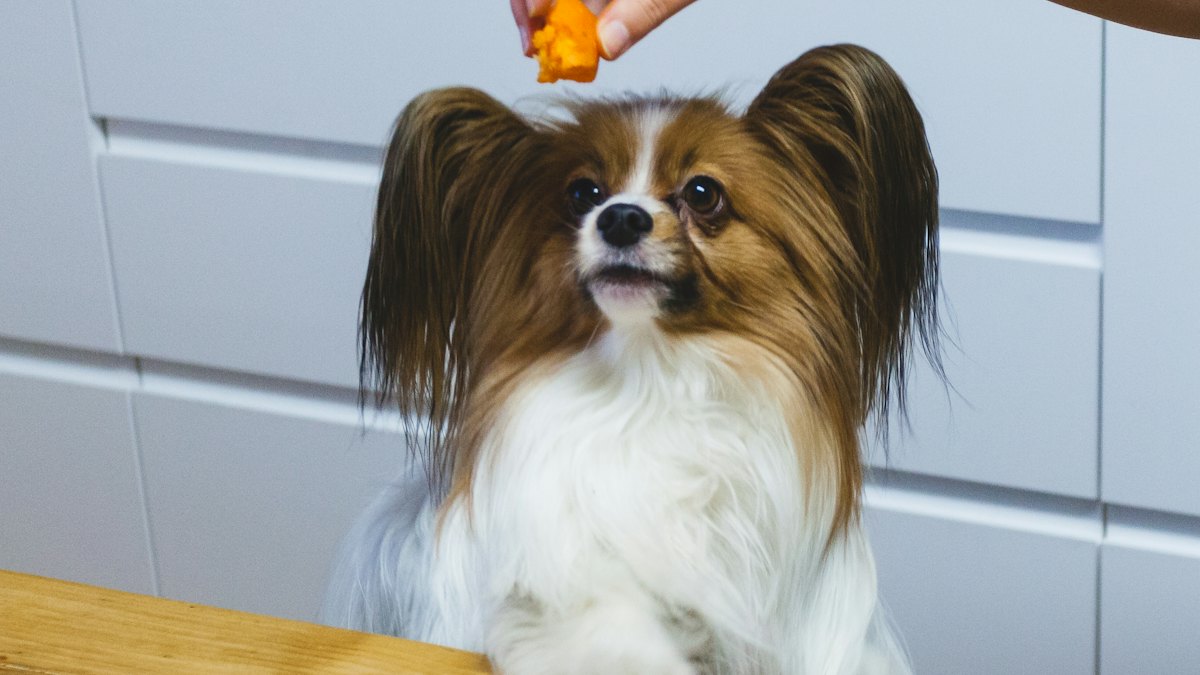
- Plain canned pumpkin, not pie filling
- Apple slices without seeds or the core
- Blueberries
- Plain, cooked rice
A good rule of thumb is to keep treats, including people food, to about 10% of your dog's daily calories, and introduce new foods gradually. Ask your vet about any special dietary needs.
What to do if your dog eats something toxic
- Stay calm and remove any remaining food.
- Call your vet or an emergency clinic, or contact the ASPCA Animal Poison Control Center at (888) 426-4435 or the Pet Poison Helpline at (855) 764-7661. Fees may apply.
- Don't induce vomiting unless a veterinary professional tells you to. It can be harmful in some situations.
- Have the package, ingredient list and your dog's approximate weight ready.