Backyard Bird Identification for Beginners: 12 Common U.S. Birds
Learn to identify the birds at your feeder, from cardinals and chickadees to goldfinches and juncos, plus the free tools that make bird ID easy.
In this article
Bird watching is one of America's most popular hobbies, and you don't have to travel anywhere to enjoy it. Your own backyard is full of birds once you know what to look for. Here are twelve of the most common backyard birds across much of the United States.
12 common backyard birds
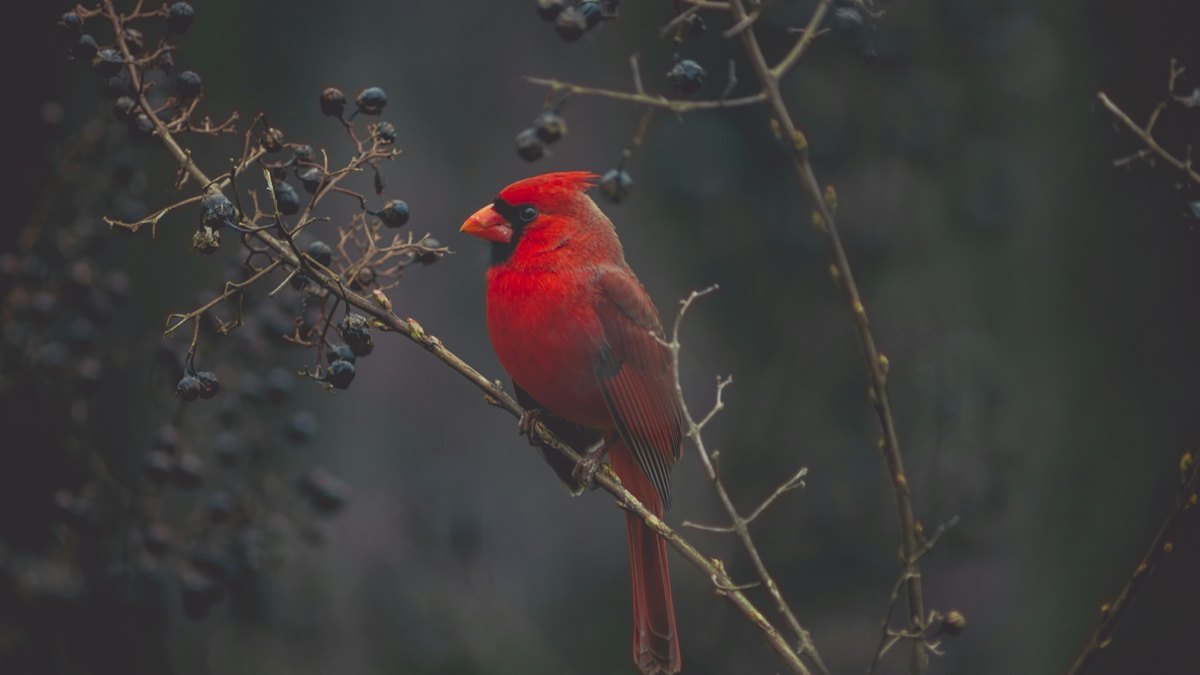
- Northern Cardinal: males are brilliant red with a black face mask and crest. Females are warm tan with red accents. They're year-round residents across much of the East, South and Midwest.
- American Robin: a gray-brown back and orange breast, often seen hopping across lawns searching for worms.
- Blue Jay: bold blue, white and black with a crest, and very vocal. They love peanuts and acorns.
- Black-capped and Carolina Chickadees: tiny birds with a black cap and bib, white cheeks and a cheerful "chick-a-dee-dee-dee" call.
- Mourning Dove: soft gray-tan with a long, pointed tail and a mournful cooing call.
- House Finch: males have a red head and breast. Females are streaky brown.
- American Goldfinch: males are bright yellow with black wings in summer and turn olive-drab in winter. They love nyjer (thistle) seed.
- Downy Woodpecker: a small black-and-white woodpecker. Males have a small red patch on the back of the head. They visit suet feeders.
- Dark-eyed Junco: gray with a white belly, often called "snowbirds" because they appear in many areas in winter.
- Tufted Titmouse: a small gray bird with a crest, large dark eyes and a "peter-peter-peter" song.
- Northern Mockingbird: gray with white wing patches, famous for mimicking other birds' songs.
- Red-winged Blackbird: glossy black males with red-and-yellow shoulder patches, common near water.
How to identify a bird: four clues
- Size and shape: compare to familiar birds. Is it sparrow-, robin- or crow-sized? Note the beak and tail shape.
- Color pattern: look for wing bars, eye rings, caps and breast markings.
- Behavior: does it climb trees, hop on the ground or hover?
- Habitat and season: some birds visit only in winter or during migration.
Free tools that help
The Merlin Bird ID app from the Cornell Lab of Ornithology is free and can identify birds from a photo, a description or even a recording of their song. The Cornell Lab's All About Birds website is a great reference, and eBird lets you log sightings and see what's being spotted near you.
Join a community science project
Your sightings can help scientists. Project FeederWatch runs from November through April, and the Great Backyard Bird Count takes place each February. Both welcome beginners.