How to Attract Birds to Your Yard: Cardinals, Bluebirds and More
How to attract cardinals, bluebirds, finches and other backyard birds with the right food, feeders, water, shelter and nest boxes.
In this article
Every bird species has favorite foods and habitat. Learn what the birds you want are looking for, and you can turn your yard into a magnet for them. Here's how to attract some of America's most beloved backyard birds.
The four basics every bird needs
- Food: seeds, suet, fruit, insects and nectar, depending on the species.
- Water: a birdbath with clean, shallow water (1 to 2 inches deep). Keep it ice-free in winter with a heater.
- Shelter: trees, shrubs and brush piles for protection from predators and weather.
- Places to raise young: dense shrubs, trees and nest boxes.
Attracting cardinals
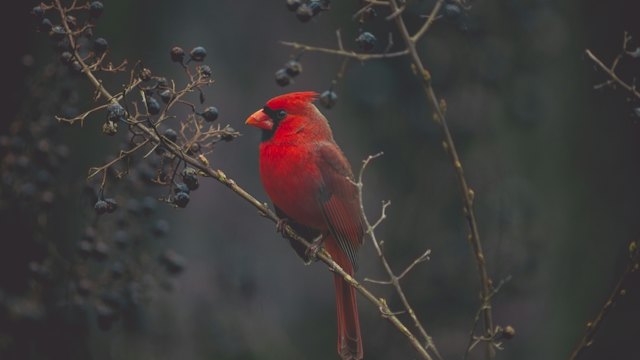
Northern cardinals are year-round residents across much of the East, South and Midwest, and they're the state bird of seven states.
- Food: black-oil sunflower seed and safflower seed, which cardinals love and many squirrels and grackles avoid.
- Feeders: cardinals prefer to perch while eating, so use hopper or platform feeders, or tube feeders with a tray.
- Shelter: plant dense shrubs and evergreens. Cardinals nest in thick tangles.
- Timing: cardinals often visit feeders early in the morning and at dusk.
Attracting bluebirds
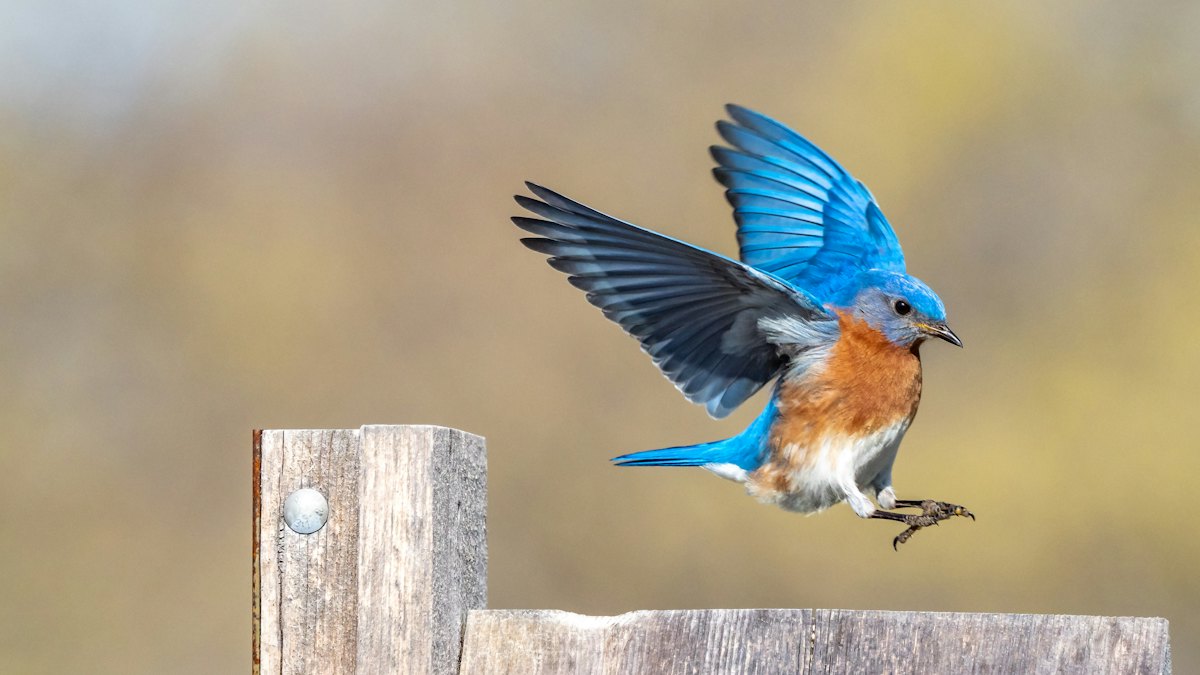
Eastern, Western and Mountain bluebirds are cavity nesters, and nest boxes helped bluebird populations recover in the 20th century.
- Food: bluebirds eat mostly insects, so they rarely visit seed feeders. Offer mealworms (live or dried) in a shallow dish, plus berry-producing shrubs.
- Habitat: open, grassy areas with scattered trees or perches.
- Nest boxes: mount a bluebird box on a pole with a predator guard, facing an open area. An entrance hole of about 1½ inches suits eastern bluebirds. Monitor the box and clean it out after each nesting.
- Water: bluebirds love birdbaths, especially in winter.
Attracting other favorites
- Goldfinches: nyjer (thistle) seed in a finch feeder, plus coneflowers and sunflowers left to go to seed.
- Woodpeckers: suet feeders and peanuts.
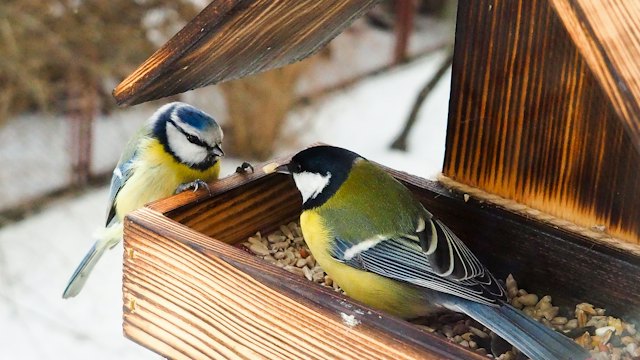
- Chickadees, titmice and nuthatches: sunflower seed, suet and peanuts.
- Orioles: orange halves and grape jelly in spring and summer.
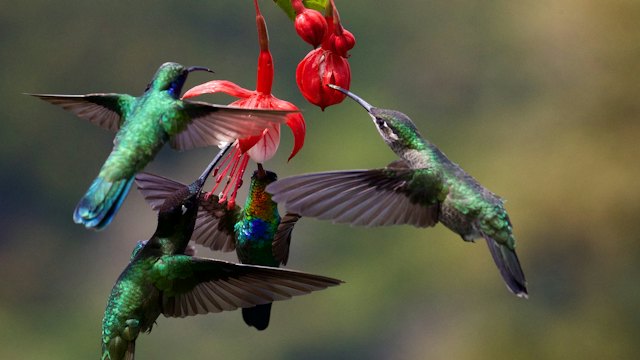
- Hummingbirds: nectar feeders and tubular flowers. See our hummingbird food recipe.
Plant native
Native trees and shrubs, like oaks, dogwoods, serviceberry, viburnum and holly, support the insects that nearly all baby birds eat, plus berries and seeds. A yard full of native plants will attract far more birds than feeders alone.
Keep birds safe
- Keep cats indoors.
- Prevent window strikes with decals or screens. See our fall and winter bird guide.
- Clean feeders and birdbaths regularly to prevent disease.
- Avoid pesticides, which reduce the insects birds depend on.