What Do Birds Eat? The Best Bird Feeders and Bird Food for Your Backyard
A simple guide to what backyard birds eat and the best bird feeders for each: tube, hopper, platform, suet and nyjer feeders, plus which birds visit feeders.
In this article
Want more birds at your feeder? Matching the right food to the right feeder is the secret. Here's what backyard birds eat, which birds visit feeders and the best bird feeders for each type of food.
What do birds eat?
In the wild, birds eat seeds, insects, fruit, nectar and more. Even many seed-eating birds feed their babies insects. At feeders, the most popular foods are:
- Black-oil sunflower seed: the single best all-around bird food, attracting the widest variety of birds.
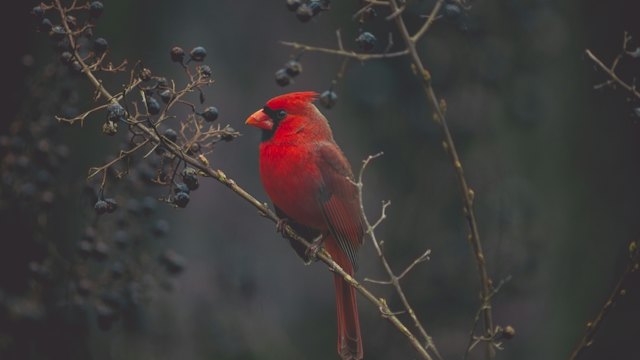
- Safflower seed: loved by cardinals, and often ignored by squirrels and grackles.
- Nyjer (thistle): tiny seeds for goldfinches and other finches.
- White proso millet: for ground feeders like juncos, sparrows and doves.
- Suet: high-energy fat for woodpeckers, nuthatches, chickadees and wrens.
- Peanuts: unsalted, for jays, woodpeckers and titmice.
- Fruit and jelly: for orioles, catbirds and mockingbirds.
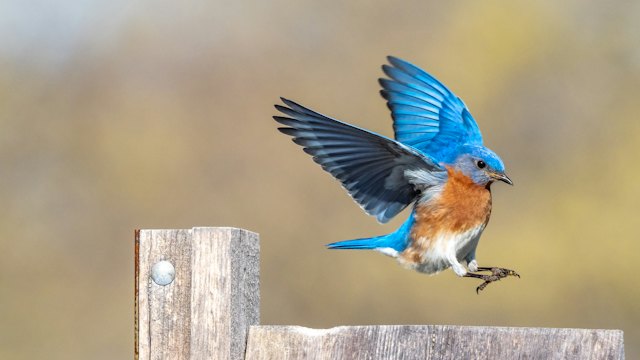
- Mealworms: for bluebirds and wrens.
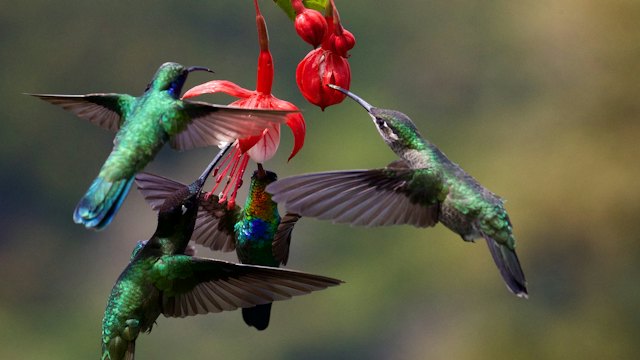
- Nectar: for hummingbirds. See our hummingbird food recipe.
Avoid feeding bread, which offers little nutrition, and seed mixes heavy with cheap filler like red milo.
The best bird feeders by type
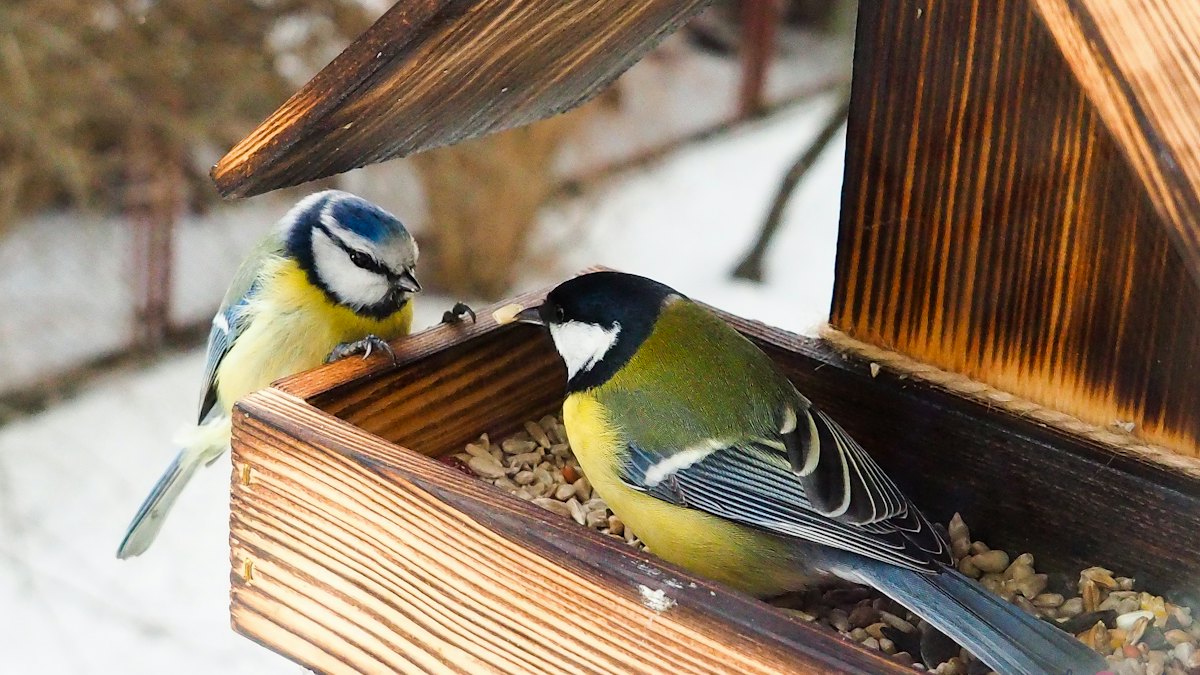
- Tube feeders: best for sunflower seed and small birds like chickadees, finches and titmice. Metal ports resist squirrel chewing.
- Hopper feeders: house-shaped feeders that hold a lot of seed and attract cardinals, jays and grosbeaks.
- Platform (tray) feeders: attract the widest variety, including ground-feeding birds, but need frequent cleaning. Choose one with a mesh bottom for drainage.
- Suet cages: for woodpeckers, nuthatches and wrens. A tail-prop design helps larger woodpeckers.
- Nyjer (finch) feeders: tubes or mesh socks with tiny openings.
- Hummingbird and oriole feeders: for nectar and jelly.
Birds that visit feeders
Common feeder visitors across much of the U.S. include northern cardinals, blue jays, black-capped and Carolina chickadees, tufted titmice, white-breasted nuthatches, downy and red-bellied woodpeckers, house finches, American goldfinches, dark-eyed juncos and mourning doves. Identify them with our bird identification guide and 25 common birds in America.
Feeder placement tips
- Near cover: about 10 feet from shrubs gives birds an escape route without giving cats an ambush spot.
- Window safety: place feeders within 3 feet of windows or more than 30 feet away.
- Squirrel-proofing: use a pole-mounted baffle placed away from trees and fences squirrels can jump from.
Keep feeders clean
Clean feeders every couple of weeks, and more often in wet weather or if sick birds appear, to prevent the spread of disease. Rake up spilled seed and hulls.