Halloween Pet Safety: 10 Tips to Keep Dogs and Cats Safe This Year
Candy, costumes, decorations and a constantly opening front door make Halloween risky for pets. Here's how to keep your dog or cat safe and calm.
In this article
- 1. Keep the candy bowl out of reach
- 2. Beware of xylitol
- 3. Watch out for raisins and wrappers
- 4. Choose costumes carefully, or skip them
- 5. Create a quiet safe space
- 6. Prevent door dashing
- 7. Check ID tags and microchips
- 8. Use flameless candles in jack-o'-lanterns
- 9. Pet-proof decorations
- 10. Keep cats indoors
- If your pet eats something dangerous
Halloween is fun for people, but it can be one of the more hazardous nights of the year for pets. Bowls of candy, unfamiliar costumes, flickering candles and a parade of strangers at the door all add up. Here's how to keep your dog or cat safe and stress-free.
1. Keep the candy bowl out of reach
Chocolate is toxic to dogs and cats. Dark and baking chocolate are the most dangerous, but any kind can cause vomiting, diarrhea, a racing heart, tremors or seizures. Store candy in closed cabinets, and remind kids not to share their haul.
2. Beware of xylitol
Many sugar-free candies and gums contain xylitol (sometimes listed as "birch sugar"). In dogs, even small amounts can cause a rapid, dangerous drop in blood sugar, and larger amounts can cause liver failure.
3. Watch out for raisins and wrappers
Those little boxes of raisins are a hazard because grapes and raisins can cause kidney failure in dogs. Candy wrappers, lollipop sticks and foil can cause choking or intestinal blockages.
4. Choose costumes carefully, or skip them
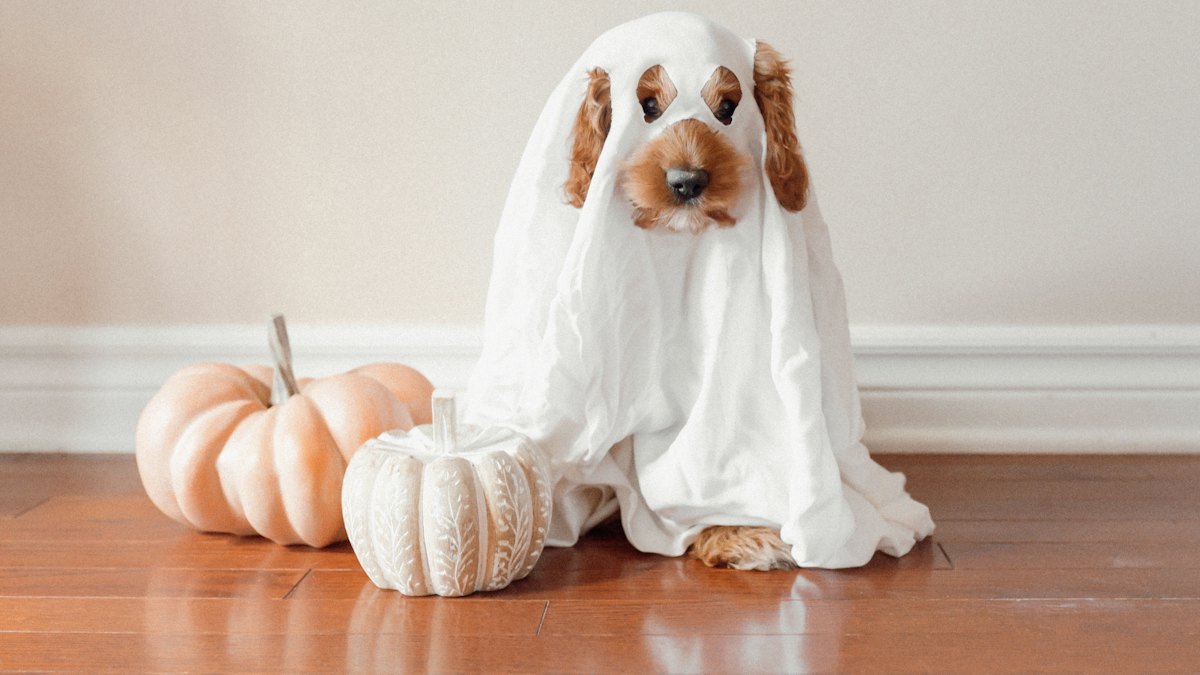
Many pets don't enjoy wearing costumes. If yours does, make sure it fits comfortably and doesn't restrict movement, breathing, vision, hearing or barking. Remove any small, chewable parts. Watch for signs of stress, such as flattened ears, a tucked tail, hunching or trying to wriggle out, and take the costume off if you see them. A festive bandana is a good low-stress alternative.
5. Create a quiet safe space
Constant doorbells and costumed strangers can frighten even confident pets. Set up a quiet room away from the front door with water, bedding, a favorite toy and some background noise like a TV or white noise.
6. Prevent door dashing
Every time the door opens, a frightened pet has a chance to bolt. Keep pets in their safe room, behind a baby gate or on a leash during trick-or-treat hours.
7. Check ID tags and microchips
Make sure your pet wears a collar with a current ID tag, and confirm that their microchip registration has your current phone number. It's one of the best ways to get a lost pet home.
8. Use flameless candles in jack-o'-lanterns
A wagging tail or curious cat can easily knock over a lit pumpkin. Battery-operated LED candles are much safer.
9. Pet-proof decorations
Keep electrical cords, fake cobwebs, small decorations and glow sticks out of reach. The liquid in glow sticks usually isn't seriously toxic, but it tastes very bitter and can cause heavy drooling and distress if a pet bites one. Decorative corn and pumpkins can upset stomachs if eaten in quantity.
10. Keep cats indoors
Halloween night brings more traffic, noise and strangers. Keep cats, especially outdoor cats, safely indoors for the evening.
If your pet eats something dangerous
Don't wait for symptoms. Call your veterinarian, an emergency animal hospital, the ASPCA Animal Poison Control Center at (888) 426-4435 or the Pet Poison Helpline at (855) 764-7661 (fees may apply). Note what and how much your pet ate, and keep the wrapper. Learn more in our guide to human foods that are dangerous for dogs.