Natural Garden Pest Control: 12 Safe Ways to Protect Your Plants
Keep aphids, slugs, beetles and caterpillars in check without harsh chemicals. Practical, natural garden pest control methods that really work.
In this article
Every garden has pests. The goal isn't to kill every insect, since most are harmless or helpful. It's to keep the damaging ones below the level where they hurt your harvest. Gardeners call this approach integrated pest management (IPM): prevent problems first, monitor closely and use the gentlest effective control.
Prevention
1. Build healthy soil. Strong, well-fed plants resist pests and recover from damage better.
2. Choose resistant varieties and plants suited to your climate.
3. Rotate crops. Avoid planting the same family (like tomatoes, peppers and eggplant) in the same spot every year to disrupt pests and diseases that overwinter in soil.
4. Keep the garden clean. Remove diseased leaves and plant debris where pests hide.
Recruit beneficial insects
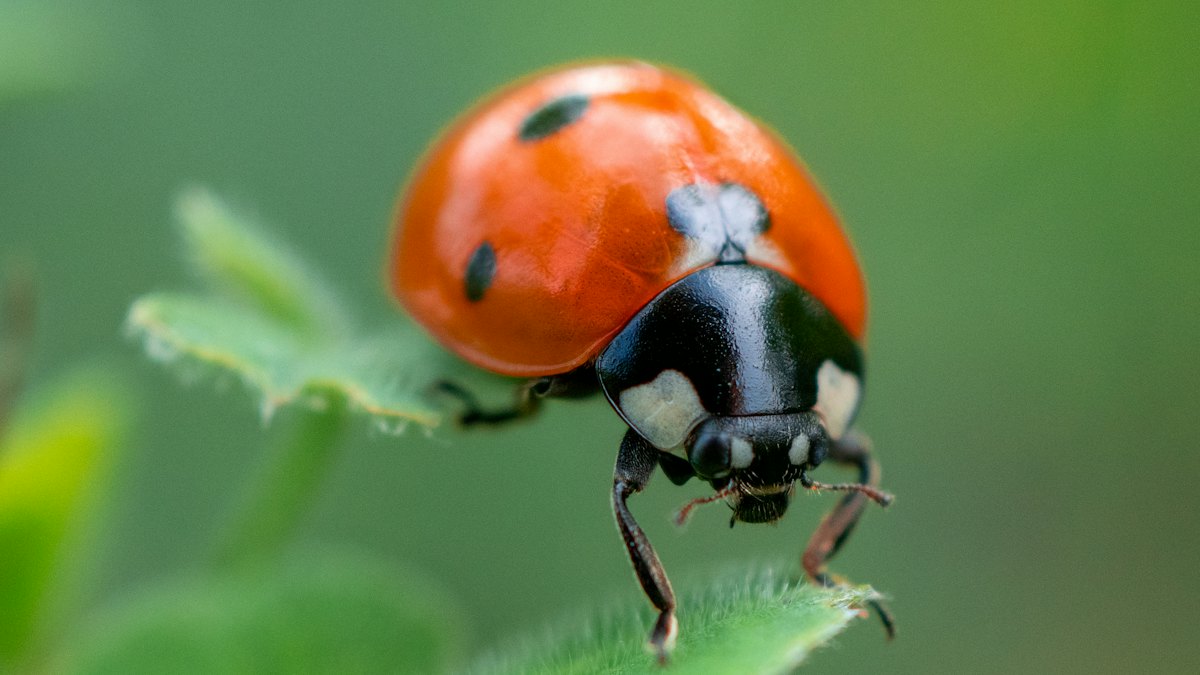
5. Plant flowers for "good bugs." Ladybugs, lacewings, hoverflies and parasitic wasps eat or parasitize aphids, caterpillars and other pests. Attract them with small-flowered plants like dill, fennel, yarrow, sweet alyssum and cilantro allowed to flower.
6. Avoid broad-spectrum pesticides, which kill beneficial insects along with pests and can make problems worse.
Physical controls
7. Hand-pick. Large pests like tomato hornworms, squash bugs and Japanese beetles can be picked off and dropped into soapy water.
8. Use a strong spray of water to knock aphids and spider mites off plants.
9. Cover crops with row covers. Lightweight fabric keeps flying insects off cabbage-family crops and young squash. Remove covers from plants that need bees for pollination once they flower.
10. Set traps and barriers. Shallow dishes of beer or boards laid on the soil attract slugs, which you can then remove. Collars made from cardboard around transplant stems deter cutworms.
Gentle sprays (use as a last resort)
11. Insecticidal soap kills soft-bodied insects like aphids, whiteflies and mites on contact.
12. Neem oil and horticultural oils help control many insects and some fungal diseases.
Even "natural" and organic products can harm bees and beneficial insects, so read and follow every label. Spray in the early morning or evening when pollinators are less active, and never spray open flowers. Test on a few leaves first, since oils can burn plants in hot sun.
Common pests and quick fixes
- Aphids: water spray, ladybugs, insecticidal soap.
- Slugs and snails: traps, hand-picking at night, removing hiding spots.
- Cabbage worms: row covers. Bt (Bacillus thuringiensis), a natural bacterium, targets caterpillars.
- Squash bugs: hand-pick adults and destroy egg clusters under leaves.
- Japanese beetles: knock them into soapy water in the morning.
Not sure what's eating your plants? Your local cooperative extension office can help identify pests, often for free.