Raised Bed Vegetable Gardening for Beginners: Size, Soil and What to Grow
Raised beds make vegetable gardening easier on your back and kinder to your plants. Learn how to size, build and fill a raised bed and which crops to start with.
In this article
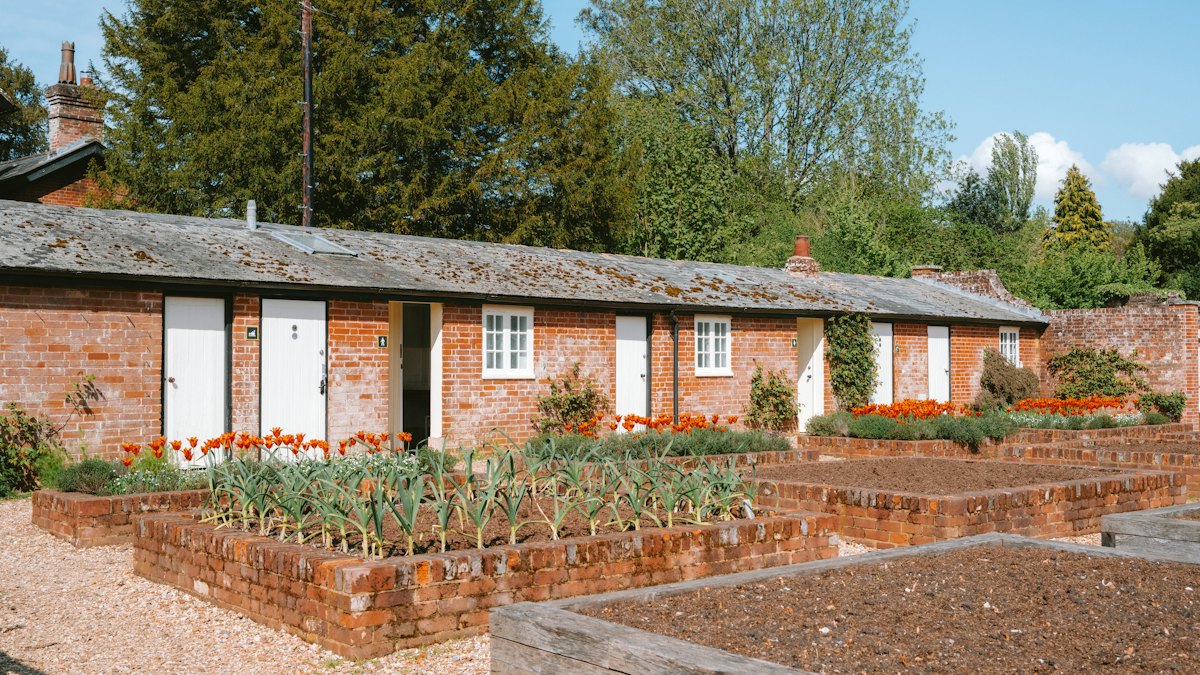
Raised garden beds are one of the easiest ways to grow vegetables. They warm up faster in spring, drain well, keep out foot traffic, reduce weeds and are easier on your back and knees. Here's how to set one up for success.
Pick the right spot
Most vegetables need at least 6 to 8 hours of direct sun a day. Choose a level spot close to a water source. You'll be much more likely to tend a garden you can see from your kitchen window.
Choose the right size
- Width: no more than about 4 feet, so you can reach the center from either side without stepping in the bed. Use 2 to 3 feet if the bed sits against a fence.
- Length: whatever fits your space. 8 feet is common because lumber comes in 8-foot lengths.
- Depth: at least 8 to 12 inches for most vegetables. Deeper beds are easier on your back and better for root crops.
Materials
Untreated cedar and redwood resist rot naturally and last many years. Galvanized metal beds are durable and popular. Kits make assembly easy. Avoid old railroad ties and wood treated with creosote.
Filling your bed
Good soil is the secret to a productive garden. A common recipe is a blend of quality topsoil and compost, often roughly 60% topsoil and 40% compost, or a bagged raised-bed mix. Avoid using only bagged potting mix, which is expensive and drains too quickly for large beds. Top up with compost every season.
Easy crops for beginners
- Cool season (spring and fall): lettuce, spinach, radishes, peas, kale.
- Warm season (after last frost): tomatoes, zucchini, bush beans, peppers, cucumbers.
- Herbs: basil, parsley, chives and dill.
Start small. One or two beds are plenty for a first season.
Watering and maintenance
Raised beds drain quickly, so check moisture often during hot weather. A soaker hose or drip irrigation on a timer makes watering easy and efficient. Mulch with straw or shredded leaves to hold in moisture and suppress weeds.
Plan by your frost dates
Your local cooperative extension office publishes average first and last frost dates and planting calendars for your area. They're a free, reliable resource for every new gardener.