How to Get Rid of Common Lawn Weeds Without Wrecking Your Lawn
Dandelions, crabgrass and clover can take over a lawn fast. Learn how to identify them, when to treat them and why a thick, healthy lawn is the best defense.
In this article
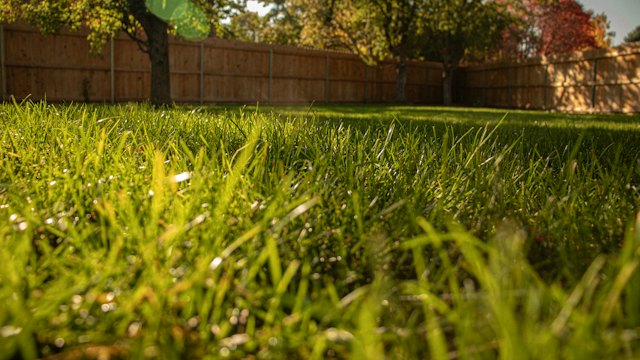
Weeds are opportunists. They move into thin, stressed lawns where grass can't compete. The best long-term weed control isn't a chemical. It's a healthy, dense lawn that leaves no room for weeds. Here's how to deal with the most common culprits.
The best defense: grow thick grass
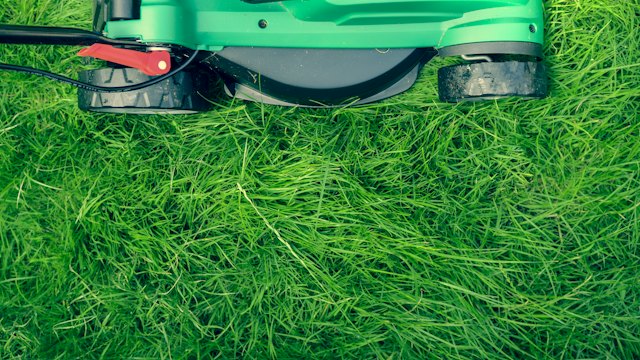
- Mow high. Taller grass shades the soil and keeps weed seeds from germinating.
- Water deeply and infrequently to encourage deep grass roots.
- Fertilize appropriately for your grass type, based on a soil test.
- Overseed thin areas so weeds have nowhere to grow.
Crabgrass
Crabgrass is an annual grassy weed that sprouts from seed each spring and dies with the first frost. It's best prevented with a pre-emergent herbicide applied in early spring, before seeds germinate. A common guide is when soil temperatures reach about 55°F, which in many areas is around when forsythia shrubs bloom. Pre-emergents also stop grass seed from sprouting, so don't use them where you plan to overseed.
Dandelions
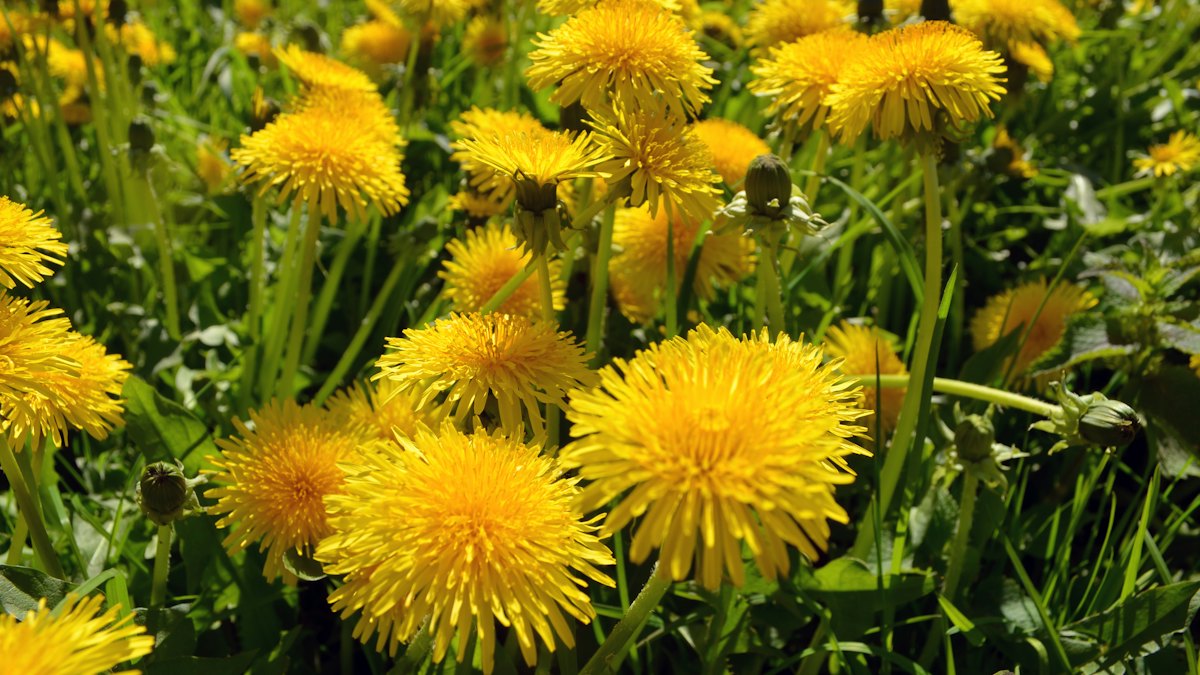
Dandelions are perennials with deep taproots. Pull them by hand when the soil is moist, using a weeding tool to remove as much root as possible. For larger infestations, a broadleaf weed control applied in fall is often most effective.
Clover
Clover often signals low nitrogen in the soil. Some homeowners now welcome it, since it stays green, feeds pollinators and adds nitrogen. If you'd rather remove it, improving fertility and using a selective broadleaf herbicide can help.
Nutsedge
Nutsedge looks like grass but grows faster, is lighter green and has triangular stems. It thrives in wet areas, so improving drainage helps. Pulling it can leave behind underground tubers that resprout, and specific products are made for sedges.
Using herbicides safely
- Read and follow the label, which is a legal requirement for pesticide products.
- Spot-treat rather than blanket-spraying the whole lawn.
- Avoid applying on windy days, before rain or in very hot weather.
- Keep children and pets off treated areas for the time the label specifies.
Get local advice
Weeds and the best timing to control them vary by region. Your local cooperative extension office can help identify weeds and recommend approaches for your area.