Fall Lawn Care Checklist: Aerate, Overseed and Fertilize for a Better Spring
For most Northern lawns, fall is the most important season of the year. Here's what to do now, and how the plan differs for warm-season grasses in the South.

In this article
If you want a thick, green lawn next spring, the work starts now. For lawns of cool-season grasses, like tall fescue, Kentucky bluegrass and perennial ryegrass, common across the northern half of the U.S., fall is the best time of year to repair and strengthen turf.
Know your grass type
Cool-season grasses grow most actively in the cool temperatures of spring and fall. Warm-season grasses, like Bermuda, zoysia, St. Augustine and centipede, common in the South, grow most in summer and go dormant in winter. The steps below focus on cool-season lawns. Warm-season lawns are generally fertilized and renovated in late spring and summer instead.
1. Test your soil
A soil test tells you your pH and which nutrients your lawn actually needs, so you don't waste money on the wrong fertilizer. Many county cooperative extension offices offer affordable soil testing.
2. Core aerate
Compacted soil prevents air, water and nutrients from reaching grass roots. A core aerator pulls small plugs of soil out of the lawn. Early fall is ideal for cool-season grasses. You can rent an aerator or hire a lawn service.
3. Overseed thin areas
Overseeding right after aerating fills in bare and thin spots and thickens the lawn. Seeds germinate well in warm soil and cool air. Choose a quality seed matched to your sun and shade conditions, and keep the seedbed consistently moist until the new grass is established.
4. Fertilize
Many lawn experts consider fall the most important time to fertilize cool-season grass, because it encourages strong root growth. Follow your soil test results and the product label, and don't apply fertilizer before heavy rain or onto sidewalks, where it can wash into storm drains.
5. Keep mowing at the right height
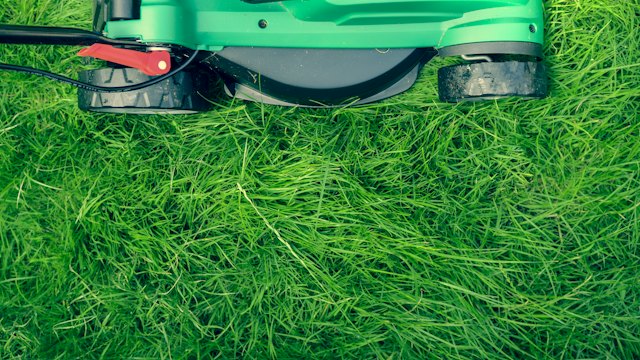
Keep mowing as long as the grass grows. Cool-season lawns generally do best at around 3 to 4 inches. Never remove more than one-third of the blade at a time.
6. Don't bag your leaves, mulch them
A light layer of leaves can be mulched in place with your mower, returning nutrients to the soil. Thick layers should be raked or collected, because they smother grass.
7. Control broadleaf weeds
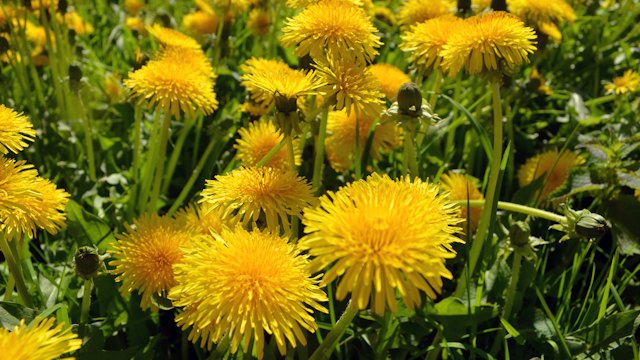
Perennial weeds like dandelions and clover are actively storing energy in fall, so it's an effective time to treat them. Always follow label directions. See our guide to controlling common lawn weeds.
8. Winterize equipment
At the end of the season, clean your mower, sharpen the blade and follow the manufacturer's instructions for storage, including fuel stabilizer or running the engine dry.