How Often to Water Plants: Vegetables, Flowers, Containers and Lawns
How often should you water your garden? A practical guide to watering vegetables, flower beds, container plants and new plantings, plus signs you're over- or underwatering.
In this article
"How often should I water?" is one of the most common gardening questions, and the honest answer is: it depends. Weather, soil, plant type and container size all change how fast plants dry out. But there are reliable rules of thumb, and an easy way to check.
The golden rule: water deeply, less often
Frequent shallow watering keeps roots near the surface, where they dry out quickly. Deep, less frequent watering encourages roots to grow down where moisture lasts longer, making plants more drought-tolerant.
A common guideline for vegetable gardens and flower beds is about 1 inch of water per week, including rainfall, applied in one or two deep soakings. Hot, windy weather and sandy soil may need more, and clay soil holds water longer.
How to check if plants need water
- The finger test: push a finger 1 to 2 inches into the soil. If it's dry at that depth, water.
- A rain gauge tells you how much nature has already provided.
- Morning wilt is a warning sign, but afternoon wilting on hot days is often normal heat stress. Check the soil before you water.
How often to water by plant type
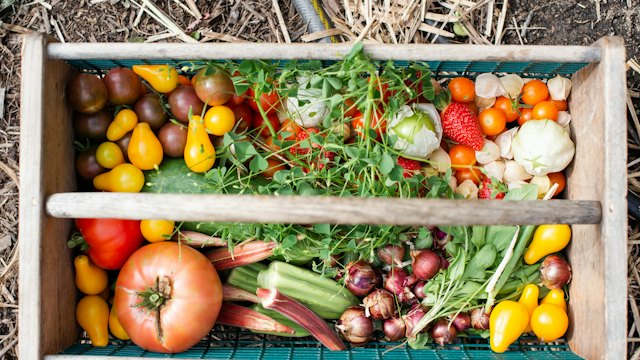
- Vegetable gardens: often 2 to 3 deep waterings a week in summer, more in extreme heat. Tomatoes, cucumbers and squash are especially thirsty when fruiting.
- New transplants and seeds: keep soil consistently moist, often daily, until plants are established.
- Established flower beds and shrubs: roughly weekly deep watering during dry spells. Native, drought-tolerant plants need less once established.
- Newly planted trees and shrubs: regular deep watering through the first one to two growing seasons.
- Container plants: check daily in summer. Small pots and hanging baskets may need water every day, sometimes twice in heat waves.
- Lawns: about 1 inch per week, applied deeply and infrequently. See our lawn care tips.
Best time of day to water
Early morning is best. Less water is lost to evaporation, and leaves dry quickly in the sun, which reduces disease. Evening watering is the next best choice, but leaves that stay wet overnight are more prone to fungal problems.
Water the soil, not the leaves
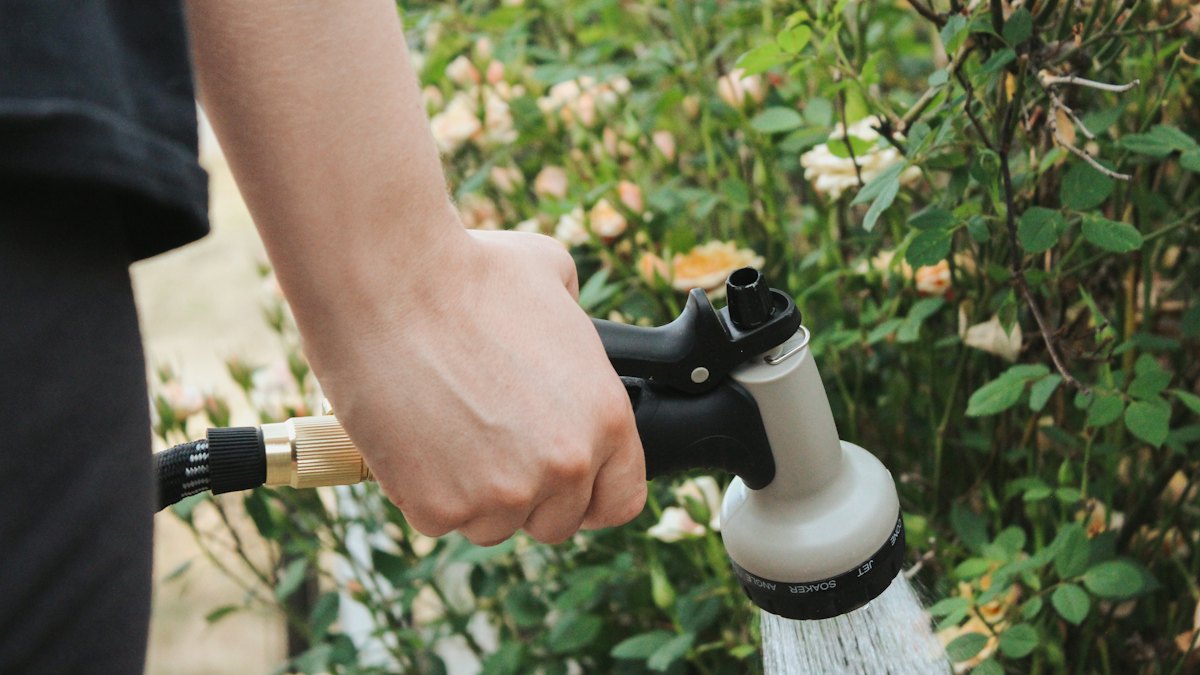
Soaker hoses and drip irrigation deliver water directly to roots with little waste and keep foliage dry. Add a simple timer and watering becomes nearly effortless.
Signs of overwatering and underwatering
- Overwatering: yellowing leaves, soggy soil, wilting despite wet soil, mushy stems, fungus gnats.
- Underwatering: dry, crispy leaf edges, drooping that recovers after watering, soil pulling away from container edges.
Caring for indoor plants? Read how to water houseplants.