How to Grow Peppers and Cucumbers: Tips for a Big Summer Harvest
Step-by-step tips for growing bell peppers, hot peppers and cucumbers, including planting, trellising, watering and fixing common problems.
In this article
Peppers and cucumbers are two of the most rewarding warm-season crops for home gardeners. Both love heat and sun, but they have different personalities: peppers are slow and steady, cucumbers are fast and sprawling. Here's how to grow each.
How to grow peppers
Planting
Peppers need warm soil and warm nights. Plant transplants a week or two after your last frost date, when nights stay above about 55°F. Cold soil stunts them. Space plants about 18 inches apart in full sun and rich, well-drained soil.
Care
- Water consistently and mulch. Like tomatoes, peppers can develop blossom end rot with uneven moisture.
- Stake taller varieties so branches heavy with fruit don't snap.
- Go easy on nitrogen, which promotes leaves over fruit.
Harvesting
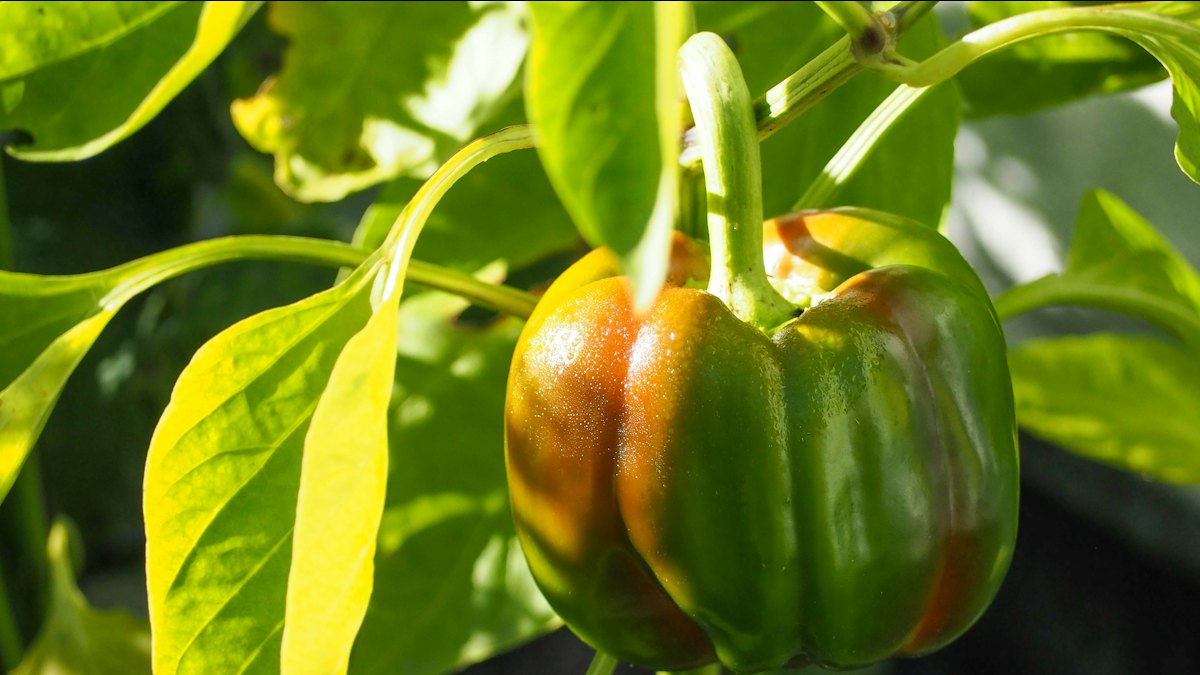
Bell peppers can be picked green once they reach full size, or left on the plant to turn red, yellow or orange, which makes them sweeter and higher in vitamins but takes longer. Hot peppers usually get hotter as they mature. Cut peppers off with scissors or pruners rather than pulling, to avoid breaking branches. Wear gloves when handling very hot peppers, and don't touch your eyes.
How to grow cucumbers
Planting
Cucumbers grow quickly from seed sown directly in warm soil after the last frost. Plant seeds about 1 inch deep. They need full sun and lots of water.
Grow them up
Train vining cucumbers up a trellis or fence. Growing vertically saves space, improves air circulation (which reduces disease) and gives you straighter, cleaner cucumbers that are easier to find. Bush varieties are compact enough for containers.
Care
- Water deeply and consistently. Drought-stressed cucumbers can taste bitter.
- Mulch to keep fruit clean and soil moist.
- Watch for cucumber beetles, small yellow-and-black striped or spotted beetles that chew plants and spread bacterial wilt. Row covers on young plants help. Remove them when flowers appear so bees can pollinate.
Harvesting
Pick cucumbers young and firm, and pick often. Check plants every day or two in peak season. Cucumbers left too long turn yellow, seedy and bitter, and they signal the plant to slow production.
Troubleshooting
- Cucumber flowers but no fruit: cucumbers produce male flowers first. Female flowers have a tiny cucumber at the base. Poor pollination can also be the cause, so plant flowers nearby to attract bees.
- White powder on leaves: powdery mildew. Improve airflow and choose resistant varieties.
- Peppers dropping flowers: often caused by extreme heat or cold nights. They usually recover when temperatures moderate.
Pair these with our guide to growing tomatoes for a classic summer salsa garden.