How to Grow Tomatoes: A Complete Beginner's Guide From Planting to Harvest
Everything you need to know to grow juicy homegrown tomatoes: choosing varieties, planting deep, staking, watering, feeding and fixing common problems.
In this article
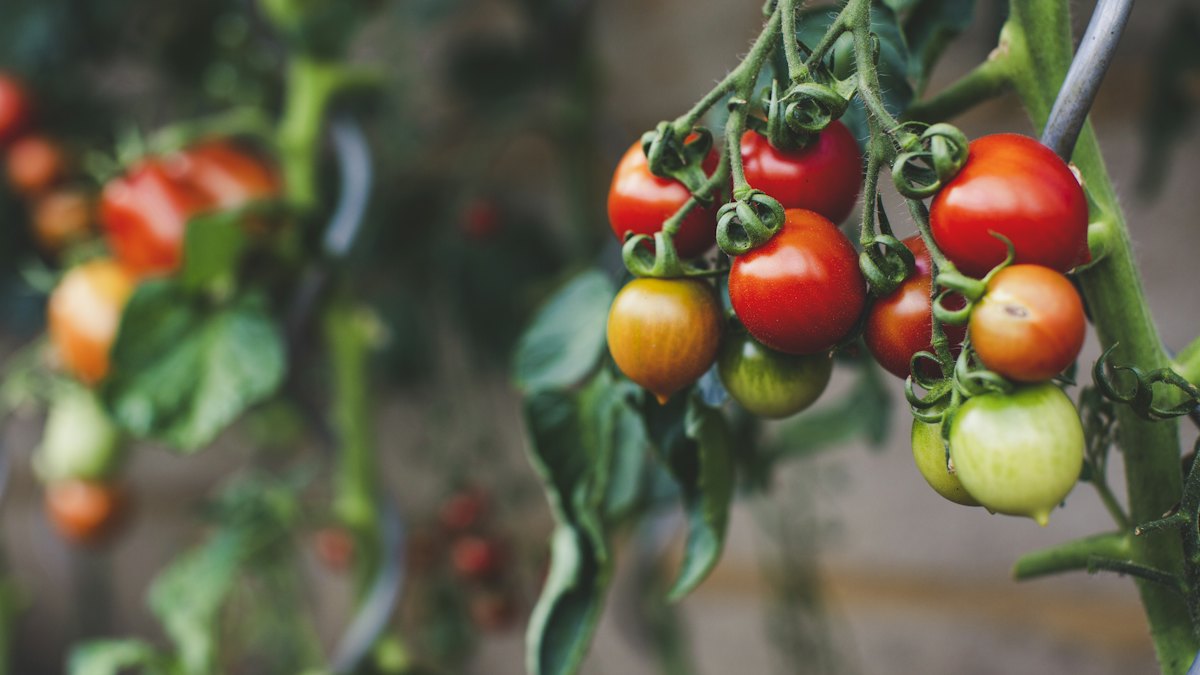
Tomatoes are America's favorite homegrown vegetable (technically a fruit), and for good reason: nothing from the grocery store compares to a sun-warmed tomato straight off the vine. Here's how to grow tomatoes successfully, even in your first year.
Choose the right variety
- Determinate tomatoes grow to a set height, ripen their crop over a few weeks and suit containers and canning.
- Indeterminate tomatoes keep growing and producing until frost. They need tall support.
- Cherry tomatoes are the most forgiving and productive choice for beginners.
- Heirlooms offer incredible flavor and variety but are often less disease-resistant than hybrids.
Look for disease-resistance codes on plant tags, such as V (verticillium wilt), F (fusarium wilt) and N (nematodes).
When to plant
Tomatoes are warm-season plants killed by frost. Plant transplants outdoors after your last spring frost, once nighttime temperatures stay above about 50°F. If you buy seedlings, "harden them off" by setting them outside for gradually longer periods over a week before planting.
How to plant tomatoes: go deep
Tomatoes can grow roots along their buried stems. Remove the lower leaves and plant the stem deeply, leaving just the top few sets of leaves above the soil, or lay it sideways in a trench. Deeper roots mean sturdier plants that handle drought better.
- Sun: at least 6 to 8 hours of direct sun.
- Spacing: about 18 to 24 inches for determinate types and 24 to 36 inches for indeterminate types.
- Soil: rich, well-drained soil amended with compost.
Support your plants
Install stakes, cages or trellises at planting time to avoid damaging roots later. Sturdy cages or tall stakes work best for indeterminate varieties, which can grow 6 feet or more.
Watering
Consistent moisture is critical. Water deeply at the base of the plant, keeping leaves dry to reduce disease. Mulch to keep moisture even. Uneven watering contributes to blossom end rot (a dark, sunken spot on the bottom of the fruit) and cracking.
Feeding
Mix compost into the soil at planting. Too much nitrogen fertilizer produces lush leaves but few tomatoes. Follow your soil test or use a balanced vegetable fertilizer according to the label.
Pruning (optional)
On indeterminate tomatoes, many gardeners pinch off "suckers," the shoots that form between the main stem and a branch, to improve airflow and direct energy to fruit. Remove lower leaves that touch the soil to help prevent disease.
Common tomato problems
- Yellow leaves with brown spots on lower leaves: often early blight. Remove affected leaves and mulch to prevent soil splashing.
- Blossom end rot: usually related to uneven watering.
- Flowers but no fruit: extreme heat (often days above about 90°F) can prevent fruit from setting.
- Large green caterpillars: tomato hornworms. Pick them off by hand.
When to harvest
Pick tomatoes when they're fully colored and slightly soft to the touch. You can also pick at first blush and let them finish ripening indoors at room temperature. Store ripe tomatoes on the counter, not in the fridge, for the best flavor.
Growing more than tomatoes? See how to grow peppers and cucumbers.