Backyard Wildlife: How to Create a Wildlife-Friendly Yard
Invite birds, butterflies, bees and other backyard wildlife with native plants, water, shelter and a few simple changes, while avoiding conflicts with nuisance animals.
In this article
Even a small suburban yard can become a haven for birds, butterflies, bees, toads and other wildlife. With a few changes, your backyard can support local nature and give you endless entertainment from the kitchen window.
1. Plant native plants
Native plants evolved alongside local wildlife. They support many more caterpillars and insects than most non-native ornamentals, and those insects are essential food for nesting birds. Native oaks, for example, are famous for supporting a huge number of caterpillar species. Ask your local extension office or native plant society what to plant in your region.
2. Provide water
A birdbath, small pond or shallow dish of water attracts wildlife you'd never see at a feeder. Keep water clean and shallow, add a rock for insects to land on, and refresh it every few days to prevent mosquitoes.
3. Create shelter
- Layered plantings: trees, shrubs, perennials and groundcovers.
- Brush piles provide cover for birds and small animals.
- Leave some dead trees (snags) standing where safe, since woodpeckers and many cavity-nesting birds use them.
- "Leave the leaves" in garden beds. Many insects, including butterfly and moth caterpillars, overwinter in leaf litter.
4. Offer places to raise young
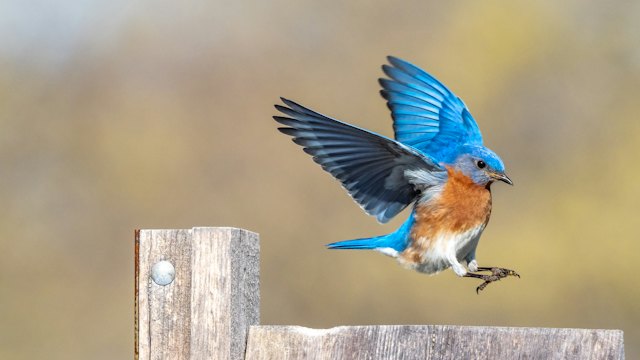
Nest boxes for bluebirds, wrens and chickadees, bat houses and host plants for butterflies, like milkweed for monarchs, all support the next generation.
5. Skip the pesticides
Pesticides reduce the insects birds need and can directly harm pollinators. Use natural methods instead. See natural garden pest control.
6. Reduce lawn
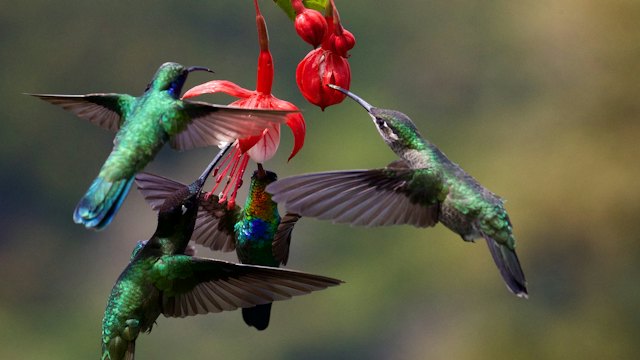
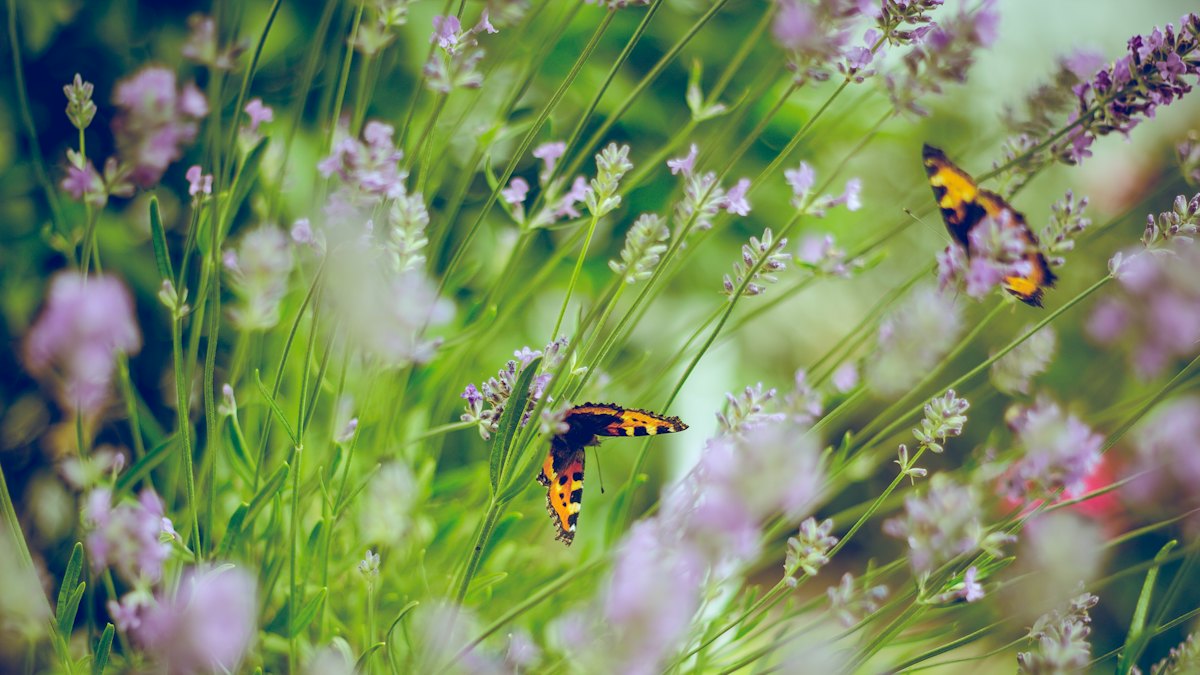
Lawns offer little for wildlife. Converting even a corner to a native flower bed or pollinator garden makes a big difference. See flowers that attract hummingbirds and butterflies.
Wildlife you probably don't want to attract
- Don't feed deer, raccoons, bears or coyotes. Feeding them can create dangerous and destructive habits, and it's illegal in some areas.
- Secure trash and pet food, and bring bird feeders in at night if bears are active in your area.
- Keep cats indoors to protect birds and small wildlife.
- Found a baby animal? Many are not actually orphaned. Contact a licensed wildlife rehabilitator before intervening.
Certify your yard
Several conservation organizations offer programs that recognize backyard wildlife habitats. They're a fun goal and a great way to inspire neighbors.
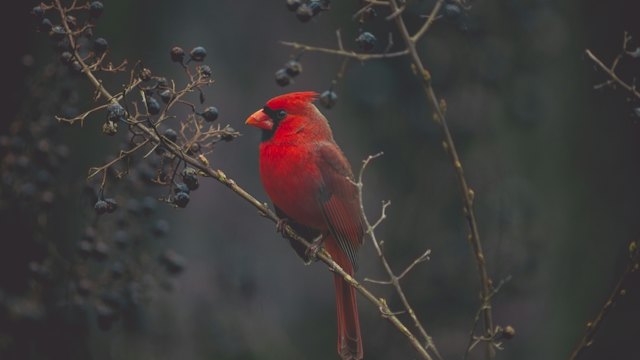
Start with the birds: how to attract cardinals and bluebirds.